Economic expert Ahmed Abu Qamar confirms that the occupation is trying to convince the world that conditions in Gaza have begun to return to normal, despite the continued policy of starvation and the prevention of basic goods from entering.
Journalist Jihad Halles speaks of a shocking paradox: the occupation allows the entry of gold-plated iPhone 17 Pro Max devices, while continuing to deprive residents of their most basic daily needs.
Researcher Salah Safi points out that the entry of these luxury phones aims to create a misleading image suggesting that Gaza is living in a state of prosperity.
Activist Mohammed Al-Atal explains that the occupation is able to allow a gold-plated phone into Gaza, yet prevents the entry of a single kilogram of cement that people need to repair a collapsed wall in their homes.
Gaza is witnessing widespread anger after the occupation allowed the entry of modern “iPhone 17” devices, some of which were plated with gold, while it continues to prevent the entry of tents, caravans, medicines, and essential materials. As a result, the humanitarian crisis caused by the war of genocide has continued for two years without any signs of a solution.
Residents of the Gaza Strip believe that opening the way for luxury goods to enter, while depriving them of life’s necessities, reflects a “deliberate engineering of the scene” aimed at portraying Gaza as if it were living under normal conditions, despite the collapse of all basic means of life.
The Paradox of Luxury Goods: Expensive Phones and a Crisis of Basic Supplies
The debate inside the Gaza Strip intensified after a video spread showing a young man displaying a gold-plated, diamond-studded “iPhone 17,” in a paradox that highlights how easily luxury goods can enter, while the items people need for survival continue to be blocked.
In this context, the Government Media Office in Gaza confirms that the occupation still prevents the entry of around 350 types of essential goods, including tents and relief materials, while allowing the entry of items with low nutritional value or products that are not considered a priority during the crisis.
According to phone merchants in the Gaza Strip who spoke to Anadolu Agency, the price of the “iPhone 17” — Apple’s latest release — reaches nearly 2,300 US dollars inside Gaza, despite the harsh economic conditions faced by the population.
The Occupation’s Policy and the Management of Starvation
Merchants in Gaza indicate that these phones have begun to spread noticeably in the markets, even though residents still lack the basic living necessities they cannot do without.
In a statement, economic expert Ahmed Abu Qamar explained that Israel deliberately allows the entry of non-essential goods, while continuing to block shelter materials, eggs, poultry, and medical supplies. He noted that Israel allows chocolate to enter at the same time that it closes the crossings to essential goods.
Abu Qamar adds that the occupation has flooded the markets with modern phones at high prices, stressing that this step aims to withdraw part of the money accumulated in citizens’ bank accounts, while also attempting to create a misleading impression that Gaza is regaining its normal life.
He believes that this policy represents a systematic management of starvation within an economic engineering strategy designed to create a false image suggesting that the market is functioning normally.
He continues by saying that the majority of Gaza’s residents cannot afford their daily food, while the ability to purchase these devices is limited to a very small group, some of whom obtained money amid the chaos that accompanied the looting of trucks and aid during the genocide.
He stresses that this small group does not reflect the true economic reality in Gaza, where the population is living through an unprecedented catastrophic situation.
The Director-General of the Ministry of Health in Gaza, Munir Al-Barsh, believes that this reality reflects “an attempt to beautify the siege with a deceptive commercial façade,” despite the deep deterioration affecting the health system and the shortage of essential equipment and medicines.
In a statement to Anadolu Agency, he explains that the occupation is flooding Gaza with secondary goods, recreational items, and modern phones, while closing the crossings to medicines, intravenous solutions, antibiotics, dialysis machines, and surgical supplies.
Al-Barsh points out that hospitals are operating with capabilities that are insufficient to meet even the minimum level of needs. Operating rooms lack essential equipment, medicines are distributed in limited quantities, and there is a severe shortage of fuel, in addition to the disruption of communication networks that obstruct medical work.
He confirms that the health system in Gaza is living through conditions unlike any health system in the world. Rather, it has turned into a daily rescue field operating with capabilities that are almost nonexistent.
The Siege and Its Impact on Children and Patients in Need of Treatment
Reviewing the figures of deterioration after the war of genocide and the ceasefire, Al-Barsh states that the shortage rate of essential medicines has reached 54%, while 40% of emergency medicines are now completely unavailable. The zero-stock shortage of medical supplies has reached 71%, the highest level in the history of the Gaza Strip.
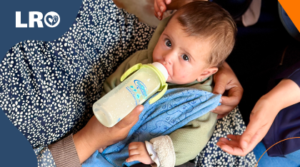
He also notes that 82% of children under the age of one suffer from anemia, and that 18,100 patients are waiting to travel for treatment, stressing that their lives are tied to a political decision that has nothing to do with medicine.
With the ceasefire agreement entering into force on October 10, the two-year Israeli war came to an end. It resulted in the martyrdom of tens of thousands of people, the injury of many residents, and widespread destruction that affected most of Gaza’s civilian infrastructure.
Journalist Jihad Halles speaks of a shocking paradox: the occupation allows the entry of gold-plated iPhone 17 Pro Max devices, while continuing to deprive residents of their most basic daily needs.
Researcher Salah Safi points out that the entry of these luxury phones aims to create a misleading image suggesting that Gaza is living in a state of prosperity.
Activist Mohammed Al-Atal explains that the occupation is able to allow a gold-plated phone into Gaza, yet prevents the entry of a single kilogram of cement that people need to repair a collapsed wall in their homes.
Gaza is witnessing widespread anger after the occupation allowed the entry of modern “iPhone 17” devices, some of which were plated with gold, while it continues to prevent the entry of tents, caravans, medicines, and essential materials. As a result, the humanitarian crisis caused by the war of genocide has continued for two years without any signs of a solution.
Residents of the Gaza Strip believe that opening the way for luxury goods to enter, while depriving them of life’s necessities, reflects a “deliberate engineering of the scene” aimed at portraying Gaza as if it were living under normal conditions, despite the collapse of all basic means of life.
The Paradox of Luxury Goods: Expensive Phones and a Crisis of Basic Supplies
The debate inside the Gaza Strip intensified after a video spread showing a young man displaying a gold-plated, diamond-studded “iPhone 17,” in a paradox that highlights how easily luxury goods can enter, while the items people need for survival continue to be blocked.
In this context, the Government Media Office in Gaza confirms that the occupation still prevents the entry of around 350 types of essential goods, including tents and relief materials, while allowing the entry of items with low nutritional value or products that are not considered a priority during the crisis.
According to phone merchants in the Gaza Strip who spoke to Anadolu Agency, the price of the “iPhone 17” — Apple’s latest release — reaches nearly 2,300 US dollars inside Gaza, despite the harsh economic conditions faced by the population.
The Occupation’s Policy and the Management of Starvation
Merchants in Gaza indicate that these phones have begun to spread noticeably in the markets, even though residents still lack the basic living necessities they cannot do without.
In a statement, economic expert Ahmed Abu Qamar explained that Israel deliberately allows the entry of non-essential goods, while continuing to block shelter materials, eggs, poultry, and medical supplies. He noted that Israel allows chocolate to enter at the same time that it closes the crossings to essential goods.
Abu Qamar adds that the occupation has flooded the markets with modern phones at high prices, stressing that this step aims to withdraw part of the money accumulated in citizens’ bank accounts, while also attempting to create a misleading impression that Gaza is regaining its normal life.
He believes that this policy represents a systematic management of starvation within an economic engineering strategy designed to create a false image suggesting that the market is functioning normally.
He continues by saying that the majority of Gaza’s residents cannot afford their daily food, while the ability to purchase these devices is limited to a very small group, some of whom obtained money amid the chaos that accompanied the looting of trucks and aid during the genocide.
He stresses that this small group does not reflect the true economic reality in Gaza, where the population is living through an unprecedented catastrophic situation.
The Director-General of the Ministry of Health in Gaza, Munir Al-Barsh, believes that this reality reflects “an attempt to beautify the siege with a deceptive commercial façade,” despite the deep deterioration affecting the health system and the shortage of essential equipment and medicines.
In a statement to Anadolu Agency, he explains that the occupation is flooding Gaza with secondary goods, recreational items, and modern phones, while closing the crossings to medicines, intravenous solutions, antibiotics, dialysis machines, and surgical supplies.
Al-Barsh points out that hospitals are operating with capabilities that are insufficient to meet even the minimum level of needs. Operating rooms lack essential equipment, medicines are distributed in limited quantities, and there is a severe shortage of fuel, in addition to the disruption of communication networks that obstruct medical work.
He confirms that the health system in Gaza is living through conditions unlike any health system in the world. Rather, it has turned into a daily rescue field operating with capabilities that are almost nonexistent.
The Siege and Its Impact on Children and Patients in Need of Treatment
Reviewing the figures of deterioration after the war of genocide and the ceasefire, Al-Barsh states that the shortage rate of essential medicines has reached 54%, while 40% of emergency medicines are now completely unavailable. The zero-stock shortage of medical supplies has reached 71%, the highest level in the history of the Gaza Strip.
He also notes that 82% of children under the age of one suffer from anemia, and that 18,100 patients are waiting to travel for treatment, stressing that their lives are tied to a political decision that has nothing to do with medicine.
With the ceasefire agreement entering into force on October 10, the two-year Israeli war came to an end. It resulted in the martyrdom of tens of thousands of people, the injury of many residents, and widespread destruction that affected most of Gaza’s civilian infrastructure.