Introduction
Amid wars, conflicts, and humanitarian disasters, access to food becomes a daily challenge that threatens the lives of millions of people. Food security is one of the most urgent issues during times of crisis, as supply chains are disrupted, agricultural production declines, and the prices of essential goods rise beyond what families can afford. From the heart of the humanitarian situation in Gaza, this suffering is clearly reflected, as hundreds of thousands of families face increasing challenges in securing their basic food needs under exceptional conditions imposed by the war.
The search for food has often turned into a daily battle for survival. As humanitarian needs continue to expand, the importance of finding effective and sustainable solutions becomes even greater—solutions that ensure food is provided to the most vulnerable groups while preserving human dignity and the right to live in safety. In this context, the concept of food security emerges as a cornerstone in combating hunger and reducing the consequences of humanitarian crises.
What Is Meant by Food Security?
Food security refers to the ability of all people, at all times, to access sufficient, safe, and nutritious food that meets their health needs and enables them to live an active and healthy life. The concept is not limited to the availability of food only; it also includes people’s ability to obtain it, the continuity of its availability, and its nutritional quality.
During times of crisis, these elements are severely disrupted, leading to worsening levels of hunger and malnutrition, especially among children, women, and the elderly. Therefore, maintaining food security is one of the key humanitarian priorities pursued by international institutions, governments, and relief organizations.
The Reality of Food Security in Gaza During the War
Since the outbreak of the war, the Gaza Strip has witnessed an unprecedented deterioration in living and economic conditions. Agricultural lands have been damaged, many productive activities have come to a halt, and the process of bringing in food supplies has faced major challenges due to the complex conditions on the ground.
In many areas, families have been forced to reduce the number of daily meals or rely on limited food items that do not meet their basic nutritional needs. Queues for food aid have become a daily scene, reflecting the scale of the crisis experienced by the population.
From the reality of daily life in Gaza, the question is no longer about food variety or quality, but rather about the ability to obtain a meal that satisfies hunger and preserves the minimum nutritional needs of the family.
Causes of the Worsening Food Crisis During Wars
Wars disrupt various vital sectors, with the food sector being among the most affected. As infrastructure is damaged, roads are closed, and transportation becomes difficult, the quantities of food available in markets decline.
The loss of income sources also affects families’ ability to purchase their basic needs, even when food items are available. In Gaza, thousands of workers and employees have lost their livelihoods, making food security an even greater challenge.
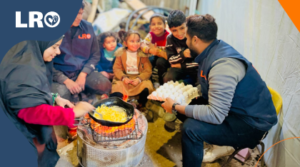
In addition, continuous displacement increases pressure on already limited resources, as families are forced to live in overcrowded places that lack the necessary means to store food or prepare it properly.
Children Are the First Victims of Food Insecurity
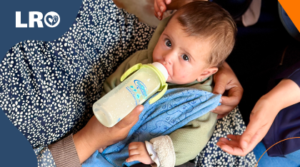
Children are the most affected group by food crises, as they need balanced nutrition to ensure healthy and proper growth. When access to sufficient food declines, the effects of malnutrition quickly appear on their physical and psychological health.
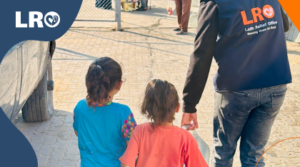
In Gaza, many families face difficulty providing milk and foods rich in essential nutrients for children. The lack of dietary diversity also leads to deficiencies in essential vitamins and minerals, which may leave long-term effects on growth, education, and public health.
Therefore, protecting children from hunger is an essential part of any strategy aimed at strengthening food security during crises.
The Role of Humanitarian Aid in Combating Hunger
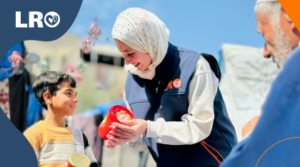
Humanitarian organizations play a central role in providing food to families affected by wars and disasters. Through the distribution of food parcels, ready-made meals, and purchase vouchers, these organizations help ease the suffering of thousands of families.
In Gaza, food aid serves as a lifeline for many residents who have lost their sources of income or are unable to access markets. Relief organizations also work to provide support to the most vulnerable groups, such as children, widows, the elderly, and people with disabilities.
Despite the importance of these efforts, the growing scale of needs requires strengthening the humanitarian response and ensuring that aid reaches all affected areas continuously and safely.
Community Kitchens: An Effective Humanitarian Model
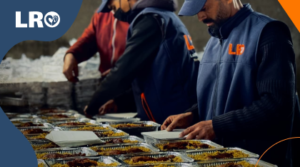
One of the most prominent initiatives that emerged during the war in Gaza is the establishment of community kitchens that provide daily meals for displaced people and vulnerable families. These initiatives have helped bridge part of the food gap caused by the lack of resources and the difficulty of cooking inside shelters.
These kitchens rely on donations and humanitarian support, preparing collective meals that are distributed to those in need in an organized manner. This experience has proven its importance in strengthening food security during emergency conditions, especially when other options become limited.
Supporting Local Production as a Sustainable Solution
Despite the major challenges, supporting local agricultural production remains one of the important solutions for strengthening the ability to face food crises. The more a community is able to produce part of its food needs, the less vulnerable it becomes to fluctuations in external supplies.
In Gaza, many farmers strive to continue working despite the difficult conditions, in order to preserve their livelihoods and contribute to providing food for the population. Small agricultural initiatives and home farming can also play an important role in supporting families during prolonged periods of crisis.
The Importance of International Cooperation in Strengthening Food Security
Communities affected by wars cannot face the food crisis alone; they need broad international support to ensure the continued flow of humanitarian aid and essential supplies.
This includes providing the necessary funding for relief programs, supporting early recovery projects, and contributing to the rehabilitation of agricultural and food infrastructure. It also requires strengthening coordination between international institutions and local organizations to ensure that support reaches those who need it with the highest possible level of efficiency and transparency.
Achieving food security in conflict areas is not limited to providing urgent aid only; it requires a long-term vision focused on sustainability and building resilience.
Humanitarian Solutions to Combat Hunger in Crises
There are many solutions that can help reduce the impact of hunger during humanitarian crises, the most important of which include:
- Expanding emergency food aid distribution programs.
- Supporting community kitchens and shelter centers.
- Providing purchase vouchers for vulnerable families.
- Supporting farmers and protecting local production.
- Implementing nutrition programs specifically designed for children and women.
- Strengthening home-based and community agriculture projects.
- Improving mechanisms for storing and distributing food supplies.
- Supporting social protection programs for the most vulnerable groups.
The importance of these solutions lies in their ability to respond to immediate needs while also contributing to building more sustainable foundations for the future.
Conclusion
The war in Gaza reveals the scale of the challenges communities face when food security is at risk. It also confirms that hunger is not merely a lack of food, but a humanitarian crisis that affects health, dignity, and social stability. Under the difficult conditions experienced by the population, strengthening food security becomes a collective responsibility that requires the combined efforts of humanitarian organizations, governments, and the international community.
Providing food to those in need does not only mean saving lives today; it also represents an investment in a safer and more stable future. Through sustainable humanitarian solutions, the effects of hunger can be reduced, and affected communities can be helped to regain their resilience and build a dignified life despite the challenges.