Why Is Aid Not Reaching Gaza?
Every minute that passes, there is a child in Gaza going to sleep hungry, a mother trying to soothe her little one’s pain without medicine, and a paramedic fighting to save lives without the necessary tools. Despite this heartbreaking humanitarian scene, aid remains stuck behind barriers, trapped by decisions and restrictions.
There, cries are not enough, and aid is not enough either, because political walls and closed crossings prevent it from reaching those in need.
Today, Gaza is besieged not only by bombardment and destruction, but also by international helplessness and humanitarian abandonment. Its people are being deprived of even the means that keep them alive.
And the urgent question remains:
Why is aid not reaching Gaza? And what needs to happen to overcome this inhumane blockade?
Closed Crossings and the Suffocating Blockade
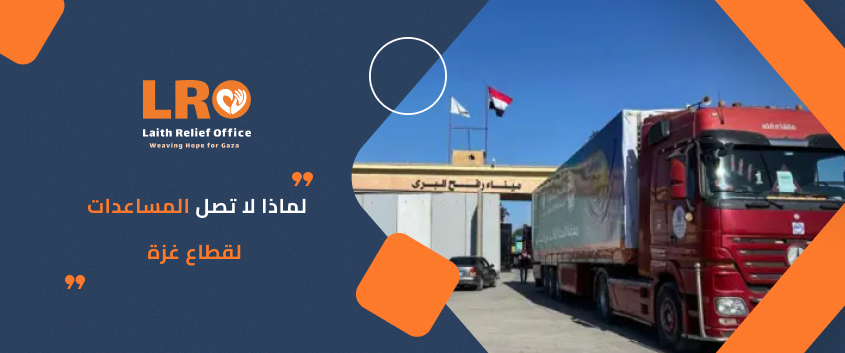
Gaza’s crossings and humanitarian aid routes represent the main lifeline for bringing relief supplies into the Strip. However, the repeated closure of crossings, whether Kerem Shalom or Rafah, makes the flow of aid extremely difficult.
Strict security checks and long delays in allowing shipments to enter, especially electronics related to humanitarian aid in Gaza such as medical devices, also hinder the urgent response to critical needs.
The repeated targeting of facilities and infrastructure has also reduced access to aid, as many warehouses and aid distribution centers have been subjected to direct or indirect bombardment.
Even hospitals and schools used as shelters for displaced people have become targets, further complicating relief distribution efforts.
The Humanitarian Reality in Gaza
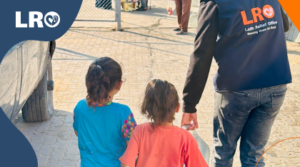
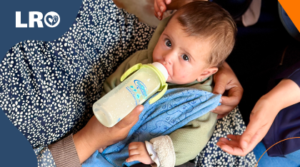
World Food Programme reports indicate that more than 70% of Gaza’s population lacks food security. Children are suffering from malnutrition, mothers are facing shortages of milk and food, and the medical situation in the Strip has deteriorated to the point of collapse.
There is also a severe shortage of medicines and medical supplies, while 95% of the water is unsafe to drink. The spread of diseases in overcrowded shelters poses a serious threat, especially with the resurgence of infectious viruses, which further highlights the urgent need for immediate humanitarian intervention.
How Can Food Aid Save Lives?
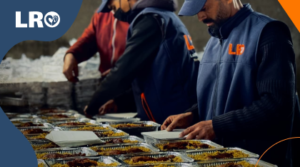
Amid the ongoing war and continuous suffering in the Gaza Strip, food aid has become a lifeline for Gaza’s residents. With crossings closed and infectious diseases spreading, the role of food becomes even more critical in preserving public health and preventing a total health collapse.
In Gaza, where thousands of families suffer from food insecurity, hunger weakens the immune system, especially among children, the elderly, and the sick. It also increases death rates caused by malnutrition and secondary diseases.
How can facilitating the delivery of aid restore a glimmer of hope to the people of Gaza?
More than two million people are living under a suffocating blockade, repeated destruction, and extreme poverty. This suffering is not temporary; it is deeply rooted in the details of daily life: food shortages, the collapse of the healthcare system, unsafe drinking water, and children suffering from malnutrition and psychological trauma.
In this dark reality, humanitarian aid may seem like the last hope. Yet that hope is obstructed by restrictions on the entry of aid, leaving millions of Palestinians deprived of their most basic rights.
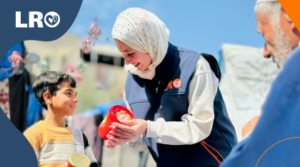
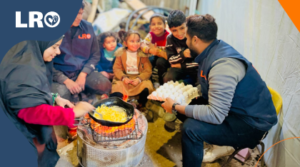
When food, medical, and humanitarian aid reaches Gaza regularly and safely, its impact goes beyond mere survival; it extends to strengthening people’s sense of safety and dignity. Families who receive a food parcel do not have to beg or search through garbage.
At the very least, aid provides treatment and saves thousands of lives. Hospitals that receive medicines and equipment are able to save patients who were once waiting for death, while aid efforts also create temporary job opportunities through local distribution teams and projects connected to humanitarian assistance.
What Is Needed to Facilitate the Delivery of Aid?
Ensuring that the crossings remain open continuously is essential. No plan can succeed without Gaza’s crossings being opened daily and in an organized manner, free from political or military obstacles. The presence of monitors from the United Nations or the Red Cross could help ensure the flow of aid without manipulation or interference.
Coordination and cooperation between humanitarian actors and local associations also help speed up the delivery of aid to the areas most in need.
Adopting digital systems for registering and distributing aid reduces waste, provides transparency, and ensures that support reaches those who truly deserve it. Involving volunteers from Gaza in the distribution process also strengthens local trust and ensures greater effectiveness.
Facilitating the delivery of humanitarian aid to Gaza is the first step toward restoring life to normal, even partially. In every food truck, every dose of medicine, and every helping hand extended, there is a clear message: “You are not forgotten.” This alone is enough to restore a glimmer of hope to a people who continue to resist despite all their wounds.