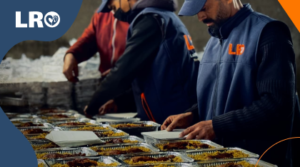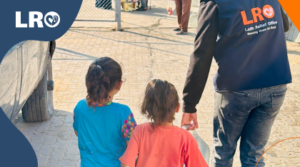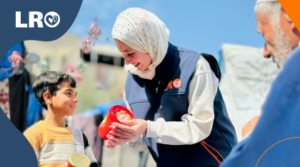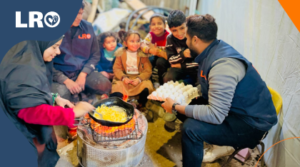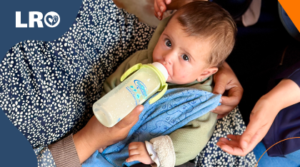
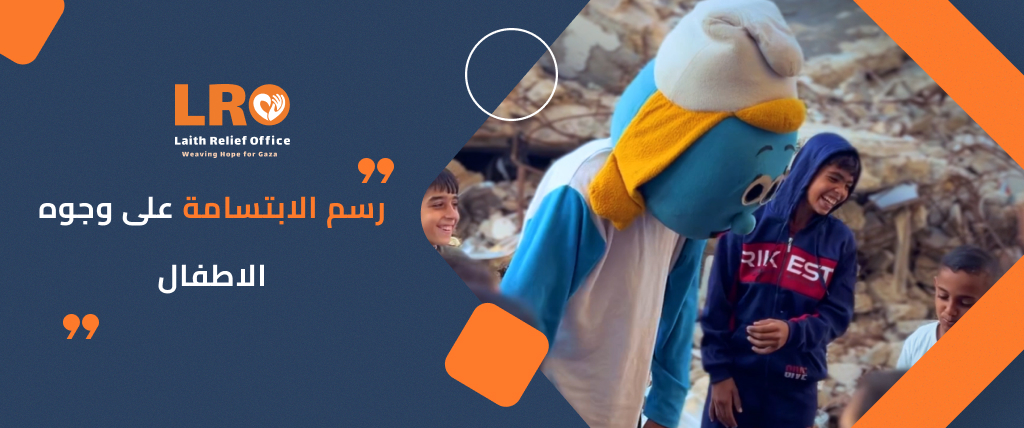
Between pain and deprivation, the children of Gaza live deprived of their most basic rights to life, stripped of their childhood, and forced to carry burdens far beyond their age. Amid the ongoing destruction caused by the continuing war of extermination in its second year, supporting Gaza’s children psychologically has become a necessity, not an option. A touch of kindness, a moment of recreation, or a community initiative can help restore the smiles of Gaza’s children and bring a small moment of joy to their exhausted faces.
Psychological and Social Support
Under continuous bombardment, repeated loss, and deprivation of the most basic necessities of life, Gaza’s children have been living for nearly two years. The war has not only harmed their bodies; it has also exhausted their souls, stolen sleep from their eyes, and taken joy from their days. They now need psychological and social support that can restore part of their childhood innocence and some of the safety that has been taken away from them.
Since February 2024, UNESCO has provided psychological and social support to more than 1,580 displaced children in Khan Younis and Rafah, in cooperation with the Teacher Creativity Center. This initiative seeks to rebuild trust and a sense of safety in children. As the war continues, UNICEF reports indicate that nearly 1.2 million children in Gaza are in urgent need of psychological and social support due to repeated trauma and the loss of safety.
Psychological Release Sessions for Affected Children
Psychological release sessions for children provide an opportunity for them to express their feelings and thoughts, whether through words or recreational activities, away from the sounds of bombardment, scenes of loss and deprivation, and images of blood that have become part of their daily surroundings. Children who once dreamed only of play and happiness now carry heavy psychological burdens far beyond their age. This is why psychological release sessions have become an urgent necessity to help children overcome trauma.
Amid the continuing war on Gaza, several initiatives have been launched targeting children affected by the war. These included activities such as play, drawing, puppet theater, and interactive programs, with the aim of reducing the impact of the war on Gaza’s children. Such sessions are part of the efforts to support children and restore their lost smiles.
Providing Safe Spaces to Express Feelings
Because of the devastating effects of the war of extermination on Gaza’s children, providing safe spaces for them to express their feelings has become extremely important. These children live under the weight of war, fear, death, and destruction. They urgently need environments that help them release their sadness and pain naturally through recreational and community activities that support psychological healing and help rebuild a sense of reassurance.
According to reports issued by Save the Children, providing safe spaces for children is not limited to offering psychological support; it also strengthens their ability to adapt to the harsh conditions they face every day.
Providing Alternative Educational Opportunities
Since the beginning of the war in October 2023, the education system has suffered widespread destruction, as the Israeli occupation destroyed more than 90% of educational facilities. This has deprived more than 625,000 students in Gaza of their right to education. In response to this disaster, many alternative educational initiatives have emerged to support Gaza’s children and help them continue learning away from daily bombardment and the threat of death.
Last August, UNRWA launched the “Back to Learning” program, which provided recreational and educational activities for displaced children. In addition, the Ministry of Education established the “educational tents” project in camps and affected areas to provide a safe learning environment for children who were deprived of their schools and their right to education.
Therefore, providing alternative educational opportunities is not only about helping Gaza’s children continue their education; it is also an important step toward psychological support and strengthening their health and educational care.
Despite the efforts being made, such work is not free from obstacles and challenges that hinder the implementation of these projects. The Israeli war on the Gaza Strip limits safe access to areas classified as dangerous for residents, in addition to the massive destruction of infrastructure, especially schools, universities, and institutes. For this reason, implementing educational projects is no longer merely an academic matter, but a humanitarian necessity to save generations from being lost.
A year and a half of war has deprived Gaza’s children of their most basic rights to life, stolen their innocent childhood, and denied them the chance to rest, play, or learn. Instead, they have been forced to carry out tasks far beyond their age, living through cruelty they never imagined they would experience. It has therefore become necessary to reintegrate them into community life in order to reduce the effects of trauma on them.
Psychological and Social Support
Under continuous bombardment, repeated loss, and deprivation of the most basic necessities of life, Gaza’s children have been living for nearly two years. The war has not only harmed their bodies; it has also exhausted their souls, stolen sleep from their eyes, and taken joy from their days. They now need psychological and social support that can restore part of their childhood innocence and some of the safety that has been taken away from them.
Since February 2024, UNESCO has provided psychological and social support to more than 1,580 displaced children in Khan Younis and Rafah, in cooperation with the Teacher Creativity Center. This initiative seeks to rebuild trust and a sense of safety in children. As the war continues, UNICEF reports indicate that nearly 1.2 million children in Gaza are in urgent need of psychological and social support due to repeated trauma and the loss of safety.
Psychological Release Sessions for Affected Children
Psychological release sessions for children provide an opportunity for them to express their feelings and thoughts, whether through words or recreational activities, away from the sounds of bombardment, scenes of loss and deprivation, and images of blood that have become part of their daily surroundings. Children who once dreamed only of play and happiness now carry heavy psychological burdens far beyond their age. This is why psychological release sessions have become an urgent necessity to help children overcome trauma.
Amid the continuing war on Gaza, several initiatives have been launched targeting children affected by the war. These included activities such as play, drawing, puppet theater, and interactive programs, with the aim of reducing the impact of the war on Gaza’s children. Such sessions are part of the efforts to support children and restore their lost smiles.
Providing Safe Spaces to Express Feelings
Because of the devastating effects of the war of extermination on Gaza’s children, providing safe spaces for them to express their feelings has become extremely important. These children live under the weight of war, fear, death, and destruction. They urgently need environments that help them release their sadness and pain naturally through recreational and community activities that support psychological healing and help rebuild a sense of reassurance.
According to reports issued by Save the Children, providing safe spaces for children is not limited to offering psychological support; it also strengthens their ability to adapt to the harsh conditions they face every day.
Providing Alternative Educational Opportunities
Since the beginning of the war in October 2023, the education system has suffered widespread destruction, as the Israeli occupation destroyed more than 90% of educational facilities. This has deprived more than 625,000 students in Gaza of their right to education. In response to this disaster, many alternative educational initiatives have emerged to support Gaza’s children and help them continue learning away from daily bombardment and the threat of death.
Last August, UNRWA launched the “Back to Learning” program, which provided recreational and educational activities for displaced children. In addition, the Ministry of Education established the “educational tents” project in camps and affected areas to provide a safe learning environment for children who were deprived of their schools and their right to education.
Therefore, providing alternative educational opportunities is not only about helping Gaza’s children continue their education; it is also an important step toward psychological support and strengthening their health and educational care.
Despite the efforts being made, such work is not free from obstacles and challenges that hinder the implementation of these projects. The Israeli war on the Gaza Strip limits safe access to areas classified as dangerous for residents, in addition to the massive destruction of infrastructure, especially schools, universities, and institutes. For this reason, implementing educational projects is no longer merely an academic matter, but a humanitarian necessity to save generations from being lost.
A year and a half of war has deprived Gaza’s children of their most basic rights to life, stolen their innocent childhood, and denied them the chance to rest, play, or learn. Instead, they have been forced to carry out tasks far beyond their age, living through cruelty they never imagined they would experience. It has therefore become necessary to reintegrate them into community life in order to reduce the effects of trauma on them.