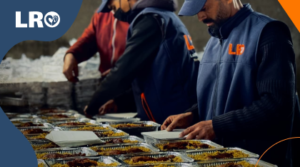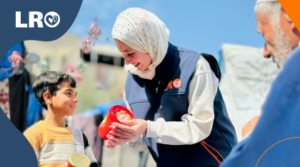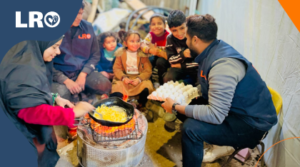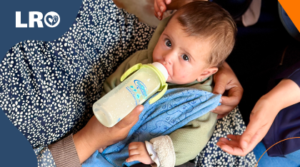
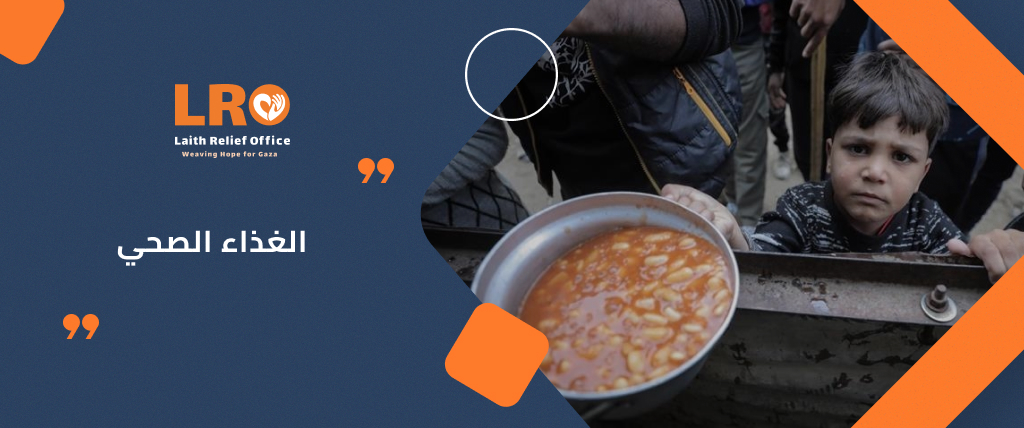
Healthy food is not a luxury or an extra option; it is an essential element for ensuring food security and the health of communities, especially in poor environments. Despite the great development the world has witnessed, many families in need still struggle to provide healthy food that guarantees them a dignified life.
The lack of essential nutrients weakens the body, affects mental health, and limits a person’s ability to be productive and work, making improved nutrition a real necessity for these groups.
Daily Challenges Facing Families in Need
Thousands of families live with food poverty and a lack of basic supplies. “Abu Mohammed,” a father living in a poor neighborhood, says:
“What hurts me the most is our inability to provide healthy food for our children… Some days, we have nothing but bread and water.”
This reality shows the depth of the crisis and reveals how food shortages affect education, activity, and the ability to grow, especially among children who need proper nutrition to ensure good health and a stable future.
Healthy Food and Improving Public Health
Food aid plays an important role in improving the lives of poor families. It does not only provide food, but also offers an opportunity to build stronger health. “Umm Mohammed” says:
“After our children received healthy and balanced food, I noticed a significant improvement in their activity, and they became less vulnerable to illness.”
Strengthening children’s nutrition with food rich in vitamins and minerals supports the immune system, reduces disease, and provides the energy needed to continue studying and daily life.
The Impact of Healthy Food on Mental Health
Balanced food does not only affect the body; its impact also extends to mental health. Studies have shown that healthy food helps reduce stress, lower anxiety, and improve mood. “Abu Mahmoud,” who benefited from food baskets provided by local initiatives, confirmed that proper nutrition is a way to strengthen psychological stability among families living in difficult conditions.
The Role of the Community in Supporting Healthy Nutrition
The responsibility for healthy food cannot be left to families alone. Community support plays a major role in improving the conditions of poor families. “Samar,” a volunteer in a charitable campaign, says:
“We provide food packages that contain fresh vegetables and fruits, along with awareness sessions on how to improve nutrition using simple ingredients.”
These campaigns help bridge the nutrition gap and promote health awareness, creating a long-term positive impact on the community.
Community Initiatives: A Real Power to Confront Food Poverty
In many villages, community garden initiatives have begun to provide fresh food products for families in need. One participant says:
“We planted the land together, and now we have a steady source of fresh vegetables without needing to buy them.”
This cooperation strengthens social bonds and creates an environment that depends on community initiatives instead of waiting only for external aid.
Key Challenges and Future Opportunities
Despite the difficulties, there are great opportunities to improve the situation by developing food aid programs, encouraging home farming, and increasing awareness about healthy food. “Fatima,” one of the participants in nutrition awareness activities, says:
“If we work together, we can change the lives of many families… What we have started is only the first step.”
Healthy food is the foundation of a dignified life and sustainable health. Through joint efforts, community initiatives, and awareness, we can improve the lives of thousands of families in need, strengthen food security, and build a healthier and more cohesive society.
The lack of essential nutrients weakens the body, affects mental health, and limits a person’s ability to be productive and work, making improved nutrition a real necessity for these groups.
Daily Challenges Facing Families in Need
Thousands of families live with food poverty and a lack of basic supplies. “Abu Mohammed,” a father living in a poor neighborhood, says:
“What hurts me the most is our inability to provide healthy food for our children… Some days, we have nothing but bread and water.”
This reality shows the depth of the crisis and reveals how food shortages affect education, activity, and the ability to grow, especially among children who need proper nutrition to ensure good health and a stable future.
Healthy Food and Improving Public Health
Food aid plays an important role in improving the lives of poor families. It does not only provide food, but also offers an opportunity to build stronger health. “Umm Mohammed” says:
“After our children received healthy and balanced food, I noticed a significant improvement in their activity, and they became less vulnerable to illness.”
Strengthening children’s nutrition with food rich in vitamins and minerals supports the immune system, reduces disease, and provides the energy needed to continue studying and daily life.
The Impact of Healthy Food on Mental Health
Balanced food does not only affect the body; its impact also extends to mental health. Studies have shown that healthy food helps reduce stress, lower anxiety, and improve mood. “Abu Mahmoud,” who benefited from food baskets provided by local initiatives, confirmed that proper nutrition is a way to strengthen psychological stability among families living in difficult conditions.
The Role of the Community in Supporting Healthy Nutrition
The responsibility for healthy food cannot be left to families alone. Community support plays a major role in improving the conditions of poor families. “Samar,” a volunteer in a charitable campaign, says:
“We provide food packages that contain fresh vegetables and fruits, along with awareness sessions on how to improve nutrition using simple ingredients.”
These campaigns help bridge the nutrition gap and promote health awareness, creating a long-term positive impact on the community.
Community Initiatives: A Real Power to Confront Food Poverty
In many villages, community garden initiatives have begun to provide fresh food products for families in need. One participant says:
“We planted the land together, and now we have a steady source of fresh vegetables without needing to buy them.”
This cooperation strengthens social bonds and creates an environment that depends on community initiatives instead of waiting only for external aid.
Key Challenges and Future Opportunities
Despite the difficulties, there are great opportunities to improve the situation by developing food aid programs, encouraging home farming, and increasing awareness about healthy food. “Fatima,” one of the participants in nutrition awareness activities, says:
“If we work together, we can change the lives of many families… What we have started is only the first step.”
Healthy food is the foundation of a dignified life and sustainable health. Through joint efforts, community initiatives, and awareness, we can improve the lives of thousands of families in need, strengthen food security, and build a healthier and more cohesive society.