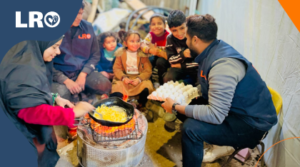
At the heart of the humanitarian catastrophe devastating the Gaza Strip, thousands of displaced people are living in tragic conditions inside tents that are unfit for human habitation. With the absence of basic infrastructure and the accumulation of waste, flies have become dominant in the area, carrying epidemic diseases with them, most notably typhoid.
How Do Living Conditions in Camps Affect the Health of Displaced People?
In the camps, large numbers of people live in very limited spaces, which leads to the rapid spread of infectious diseases such as typhoid, skin diseases, and scabies. The difficulty of maintaining personal hygiene further increases the risk of infection.
The shortage of clean water and poor sanitation also worsen the crisis. The lack of safe drinking water forces residents to use contaminated sources, causing dangerous diseases such as cholera and hepatitis A. The absence of safe toilets increases environmental contamination and the spread of germs and parasites.
Most displaced people also lack balanced food rich in essential nutrients. They suffer from malnutrition and food shortages, which weaken the immune system, increase rates of anemia and malnutrition, delay recovery from illness, and raise the risk of serious complications.
Camps are often far from health centers or do not have enough clinics. The shortage of medicines and medical supplies makes treating even simple illnesses a serious challenge that may end in tragedy.
Children and Women in Camps: The Most Vulnerable Groups Health-Wise
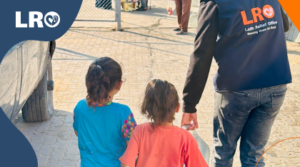
In displacement camps, children and women are the most vulnerable to harsh health conditions. Between malnutrition, lack of hygiene, and limited access to healthcare, these groups face doubled risks that threaten their lives every day.
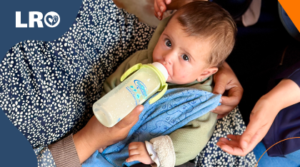
Children suffer from diseases, hunger, and constant danger. Severe malnutrition causes abnormal physical and mental development, while poor hygiene leads to the spread of infectious diseases such as respiratory infections, typhoid, and common psychological disorders among children.
Women, meanwhile, face exhausting pregnancies and motherhood surrounded by danger. They struggle to access healthcare, which can lead to complications during pregnancy and childbirth. The lack of balanced food also threatens the health of mothers and unborn babies.
The camps also contribute to rising rates of anemia as a result of malnutrition, increasing complications during pregnancy and childbirth. In addition, women face immense psychological pressure due to the loss of safety, limited resources, and the need to carry extra responsibilities in a harsh environment.
Around two million displaced people are living inside camps and shelter centers in the Gaza Strip under severe living conditions and amid the risk of diseases and epidemics.
The Most Common Diseases in Camps and Ways to Prevent Them
Infectious diseases are devastating the population of the Gaza Strip as a result of humid weather, overcrowding in shelter centers, scarce food, contaminated water, and a lack of medicine. Treatment options for those infected with infectious diseases are extremely limited, as hospitals are overcrowded with wounded people injured in Israeli airstrikes.
Among the most common diseases spreading in the camps is cholera, caused by contaminated water and food and poor personal hygiene. It can be prevented by drinking clean and sterilized water, washing hands with soap, and keeping food and cooking utensils as clean as possible.
Respiratory infections, such as pneumonia and influenza, are also widespread due to polluted air, poor ventilation, overcrowding, and weakened immunity. They can be prevented by ventilating tents and shelters well, wearing suitable clothing in cold weather, and isolating sick people from others.
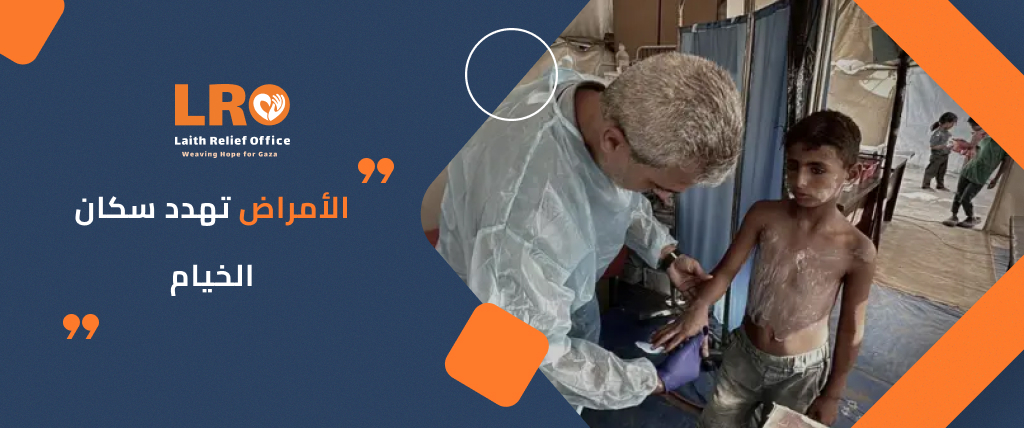
Many other diseases have found tents to be a fertile environment for spreading, such as lice and scabies, due to poor personal hygiene, the sharing of blankets or clothes, and other infectious skin diseases caused by the unhealthy environment of the camps.
With rising temperatures, overcrowding in displacement tents, and the accumulation of sewage water, insects that transmit diseases and infections spread widely. This can lead to death among children or serious health problems among the elderly, sometimes requiring limb amputations.
Are Medical Relief Efforts Enough to Limit the Spread of Diseases?
Medical relief is one of the most important forms of urgent intervention to save lives and limit the spread of diseases. However, the essential question remains: are these efforts truly enough to stop the spread of epidemics inside camps and displacement areas?
Humanitarian organizations are making tremendous efforts to provide basic and humanitarian healthcare, such as the World Health Organization, the Red Crescent, and Doctors Without Borders. These efforts include distributing medicines, establishing mobile medical points, and launching emergency vaccination campaigns to confront infectious diseases.
However, most of these efforts focus on treatment rather than prevention, while prevention requires changes in both behavior and the surrounding environment. This relief is also often short-term, while diseases require long-term plans to control and reduce them.
In other words, despite the importance of medical relief efforts and their vital role, they alone are not enough to limit the spread of diseases in fragile environments such as camps. The solution lies in integrated work and in moving from temporary relief to sustainable health development.
How Do Living Conditions in Camps Affect the Health of Displaced People?
In the camps, large numbers of people live in very limited spaces, which leads to the rapid spread of infectious diseases such as typhoid, skin diseases, and scabies. The difficulty of maintaining personal hygiene further increases the risk of infection.
The shortage of clean water and poor sanitation also worsen the crisis. The lack of safe drinking water forces residents to use contaminated sources, causing dangerous diseases such as cholera and hepatitis A. The absence of safe toilets increases environmental contamination and the spread of germs and parasites.
Most displaced people also lack balanced food rich in essential nutrients. They suffer from malnutrition and food shortages, which weaken the immune system, increase rates of anemia and malnutrition, delay recovery from illness, and raise the risk of serious complications.
Camps are often far from health centers or do not have enough clinics. The shortage of medicines and medical supplies makes treating even simple illnesses a serious challenge that may end in tragedy.
Children and Women in Camps: The Most Vulnerable Groups Health-Wise
In displacement camps, children and women are the most vulnerable to harsh health conditions. Between malnutrition, lack of hygiene, and limited access to healthcare, these groups face doubled risks that threaten their lives every day.
Children suffer from diseases, hunger, and constant danger. Severe malnutrition causes abnormal physical and mental development, while poor hygiene leads to the spread of infectious diseases such as respiratory infections, typhoid, and common psychological disorders among children.
Women, meanwhile, face exhausting pregnancies and motherhood surrounded by danger. They struggle to access healthcare, which can lead to complications during pregnancy and childbirth. The lack of balanced food also threatens the health of mothers and unborn babies.
The camps also contribute to rising rates of anemia as a result of malnutrition, increasing complications during pregnancy and childbirth. In addition, women face immense psychological pressure due to the loss of safety, limited resources, and the need to carry extra responsibilities in a harsh environment.
Around two million displaced people are living inside camps and shelter centers in the Gaza Strip under severe living conditions and amid the risk of diseases and epidemics.
The Most Common Diseases in Camps and Ways to Prevent Them
Infectious diseases are devastating the population of the Gaza Strip as a result of humid weather, overcrowding in shelter centers, scarce food, contaminated water, and a lack of medicine. Treatment options for those infected with infectious diseases are extremely limited, as hospitals are overcrowded with wounded people injured in Israeli airstrikes.
Among the most common diseases spreading in the camps is cholera, caused by contaminated water and food and poor personal hygiene. It can be prevented by drinking clean and sterilized water, washing hands with soap, and keeping food and cooking utensils as clean as possible.
Respiratory infections, such as pneumonia and influenza, are also widespread due to polluted air, poor ventilation, overcrowding, and weakened immunity. They can be prevented by ventilating tents and shelters well, wearing suitable clothing in cold weather, and isolating sick people from others.
Many other diseases have found tents to be a fertile environment for spreading, such as lice and scabies, due to poor personal hygiene, the sharing of blankets or clothes, and other infectious skin diseases caused by the unhealthy environment of the camps.
With rising temperatures, overcrowding in displacement tents, and the accumulation of sewage water, insects that transmit diseases and infections spread widely. This can lead to death among children or serious health problems among the elderly, sometimes requiring limb amputations.
Are Medical Relief Efforts Enough to Limit the Spread of Diseases?
Medical relief is one of the most important forms of urgent intervention to save lives and limit the spread of diseases. However, the essential question remains: are these efforts truly enough to stop the spread of epidemics inside camps and displacement areas?
Humanitarian organizations are making tremendous efforts to provide basic and humanitarian healthcare, such as the World Health Organization, the Red Crescent, and Doctors Without Borders. These efforts include distributing medicines, establishing mobile medical points, and launching emergency vaccination campaigns to confront infectious diseases.
However, most of these efforts focus on treatment rather than prevention, while prevention requires changes in both behavior and the surrounding environment. This relief is also often short-term, while diseases require long-term plans to control and reduce them.
In other words, despite the importance of medical relief efforts and their vital role, they alone are not enough to limit the spread of diseases in fragile environments such as camps. The solution lies in integrated work and in moving from temporary relief to sustainable health development.