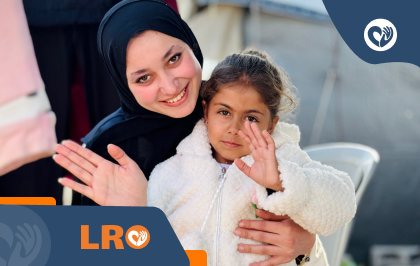
Child Protection & MHPSS Program
-
by
Ahmed Ahmed
Protecting children and strengthening emotional well-being.
Children affected by conflict and displacement may experience fear, loss, disrupted education, family stress, and prolonged uncertainty. Safe environments, structured activities, and appropriate psychosocial support are essential to help children regain stability and remain connected to family and community life.
Program Purpose
The Child Protection & MHPSS Program promotes children’s safety, emotional well-being, positive coping, and participation through structured psychosocial activities, child-friendly spaces, caregiver support, awareness, and case-sensitive referral pathways.
Key Program Activities
- Provide structured group psychosocial support sessions adapted to children’s ages and needs.
- Organize recreational, educational, social, and creative activities in safe environments.
- Establish or support child-friendly spaces in shelters and displacement settings.
- Provide psychological first aid and basic caregiver support within staff competencies.
- Conduct child-protection awareness activities for children, caregivers, and communities.
- Identify children facing heightened protection risks and support appropriate referral and follow-up.
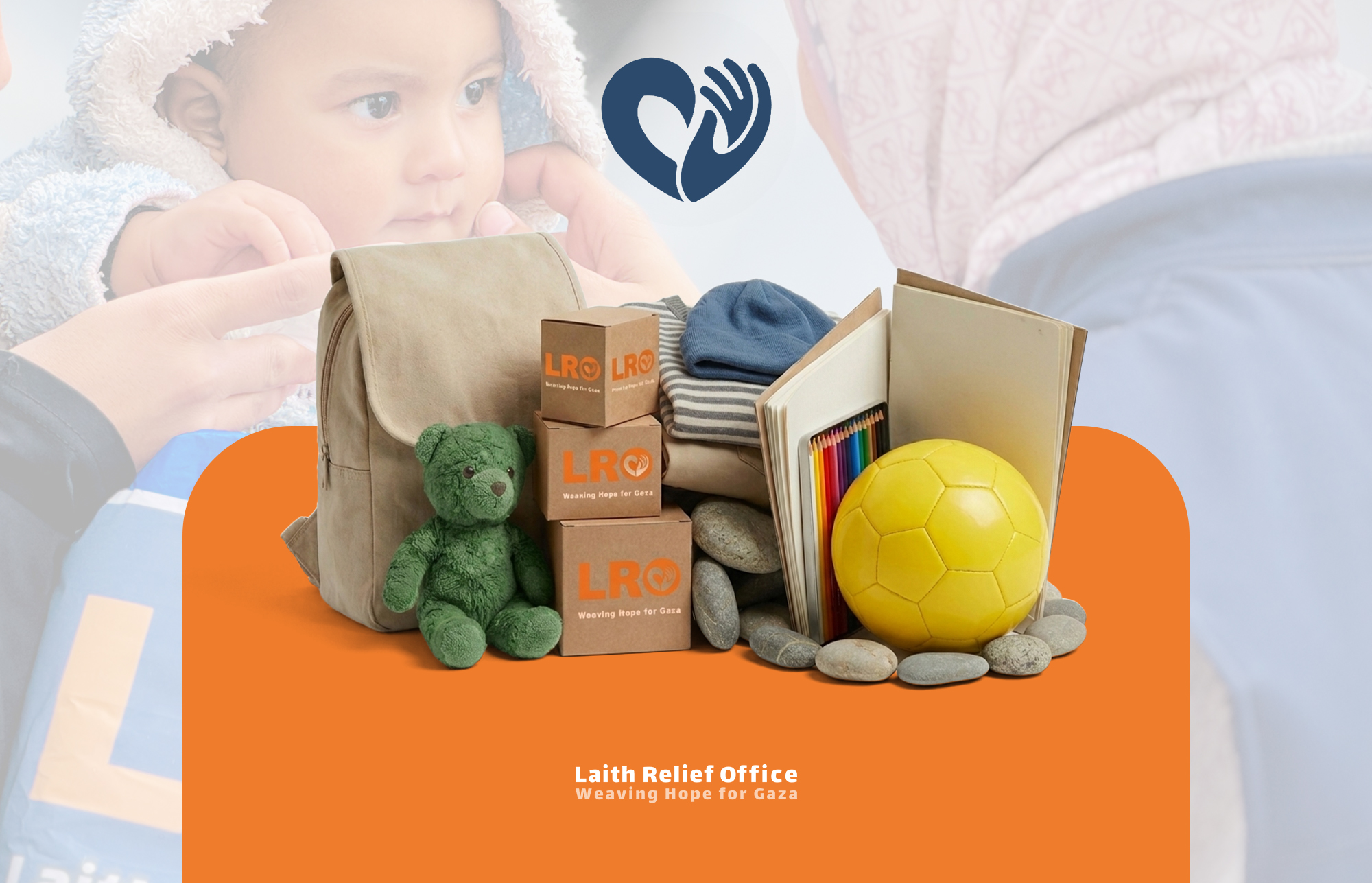
- Distribute educational, recreational, clothing, and essential support items that promote children’s participation and dignity.
- Organize inclusive seasonal and community activities for displaced, orphaned, sick, and vulnerable children.
Related Project Areas
- Child-Friendly Spaces
- Structured Psychosocial Support Sessions
- Recreational, Educational, and Creative Activities
- Caregiver Support and Positive Parenting Sessions
- Child-Protection Awareness Campaigns
- Identification, Referral, and Follow-Up of Vulnerable Cases
- School Supply and Recreational Kit Distribution
- Al-Fakhoura Children’s Activity and Similar Community Events
- Seasonal Activities and Gifts for Sick or Displaced Children
Expected Outcomes
The program helps children experience moments of safety, routine, interaction, and emotional well-being. It also strengthens the ability of caregivers and communities to recognize protection concerns and support children in highly stressful environments.
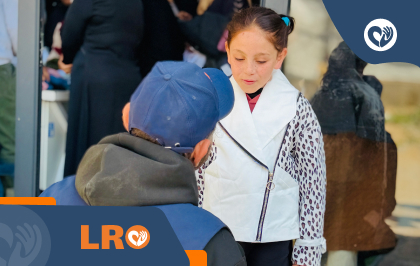
Winter Clothing Distribution for Children Project
Click Here
Cash Eid Gifts for Children Project
Click Here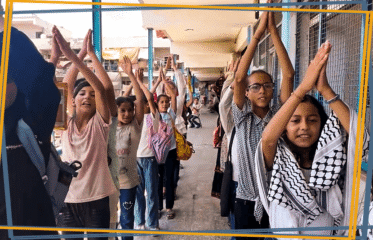
Children’s Entertainment Project
Click Here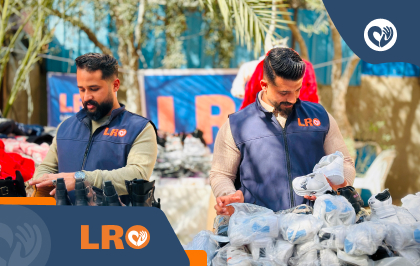
Children’s Shoes Distribution Project
Click Here