Gaza’s Plants in the Fight Against Hunger
With the collapse of food supply chains in Gaza and the absence of basic items such as flour, milk, and vegetables, residents have been forced to search for alternatives in order to survive.
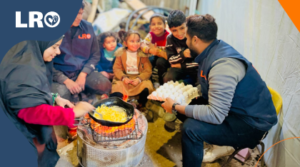
As bread becomes scarce and prices rise dramatically, many families have turned to collecting and cooking wild plants that grow in gardens, empty lands, and even along roadsides. These plants are no longer just marginal elements of nature; they have become the last refuge for Gaza’s people in the face of famine.
Has Food Run Out in Gaza?
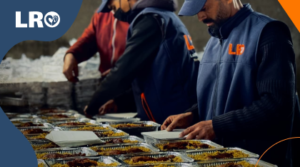
According to the United Nations World Food Programme, current stocks are only enough to keep public kitchens and bakeries operating for less than two weeks, after the entry of food, fuel, and medicine stopped due to the Israeli blockade. Gaza is facing a severe food crisis, with food supplies almost completely depleted.
The situation is even more dangerous in northern Gaza, where no food shipments have arrived for more than 50 days. Prices of basic goods have also risen to unprecedented levels; the price of a bag of flour has reached 500 dollars, making access to food almost impossible for Gaza’s residents.
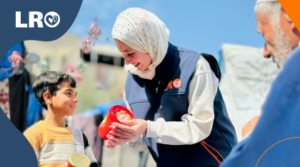
Many areas, such as Jabalia Camp, are witnessing mass displacement due to continuous bombardment, further complicating the distribution of humanitarian aid. The World Food Programme has also confirmed that difficult security conditions and imposed restrictions make the delivery of humanitarian assistance extremely challenging.
Wild Plants: The Meal of the Poor and Forgotten
In Gaza, the land that has long been a symbol of resistance has now become the last hope for survival. As famine worsens due to the long blockade and devastating war, food has disappeared from homes and markets, while aid has stopped.
Grandmothers have returned to teaching mothers and children how to identify edible plants. Traditional knowledge has become a means of survival. Women gather plants at dawn and exchange information about cooking and storing them, as if they are part of a shared mission to resist hunger.
Hundreds of thousands of families have no choice left but to turn to the land. Plants that were once collected for seasonal or medicinal purposes have now become a daily and essential source of food.
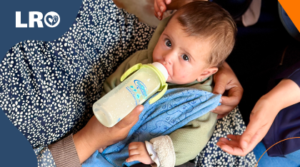
With supplies no longer entering, flour disappearing, and the prices of remaining food items rising insanely, residents are facing malnutrition directly. Children are collapsing from extreme hunger, patients are becoming weaker, and hospitals are losing their ability to respond due to the lack of food and medicine.
Challenges Despite Alternative Solutions
Despite the central role of local plants, these solutions remain fragile and temporary in the face of a far more complex reality. Drought, water scarcity, and soil contamination caused by bombardment all threaten the ability to continue relying on wild plants.
This practice is also extremely dangerous, as Israeli occupation forces target civilians who approach the buffer zone established along the eastern border of the Gaza Strip. In addition, the nutritional value of wild plants alone is not enough to feed children and patients or to compensate for the severe malnutrition spreading across the Strip.
Even wild plants that grow naturally from rainwater have turned into goods that are bought and sold in Gaza’s markets.
What is happening in Gaza today is not only a food crisis; it is a major humanitarian test. In the absence of food and medicine, plants have become a biological tool of resistance, and the land has proven more loyal than people.
Famine is consuming bodies, yet nature still gives those who remain steadfast something to help them survive. But an entire people should not be left to live on roadside herbs. Gaza does not need plants alone; it needs justice and rescue.
/