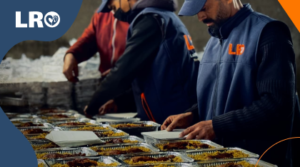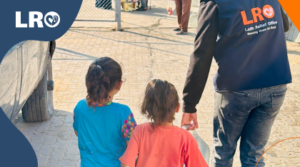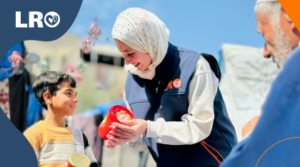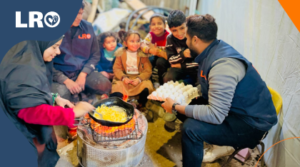
The role of supporters appears as a decisive element in offering hope and easing suffering. The humanitarian situation in Gaza has reached a point where global solidarity and generous donations are urgently needed to make a difference in lives surrounded by darkness. Every step, no matter how small it may seem, contributes to creating life.
Supporters can become a blank page in the life of a child whose pages have been darkened by war. Every act of support is more than assistance, and every form of aid is living proof of solidarity. It has become clear that the role of supporting institutions is more important than ever before.
Causes of the Humanitarian Crisis in Gaza
The Gaza Strip is suffering from an ongoing humanitarian crisis due to the continued blockade, restrictions imposed on movement and goods, and repeated wars waged by the Israeli occupation against essential infrastructure. This has led to economic paralysis and a significant rise in unemployment and poverty rates.
Most of Gaza’s population depends on humanitarian aid to meet their daily needs, including food, medicine, and clean water. This is where institutional and individual support plays a vital role in covering their needs, securing the basics of life, and easing the severity of the catastrophe they are enduring.
Providing Urgent Humanitarian Aid
Donations make a real difference in Gaza, allowing families to receive food baskets, essential medicines, clean drinking water, and medical supplies amid a severe shortage of basic necessities such as food, water, medicine, and electricity. Therefore, humanitarian support must remain at the forefront of relief efforts.
Individuals can donate through trusted organizations and send medical and food shipments, while ensuring that aid arrives quickly and is distributed fairly.
Urgent aid plays a role in preventing economic conditions from worsening and in reducing individual suffering. It reaches people at the very moment they need it most. It also provides health support through the distribution of personal hygiene supplies and the dispatch of mobile medical teams to treat injuries and prevent the spread of disease.
Supporting Sustainable Projects
Relief aid is necessary, but it is not enough. Gaza needs long-term projects that strengthen independence and self-reliance, such as building schools, establishing hospitals, and developing sources of energy and water.
Supporters’ responses open the way toward future support programs, such as building camps and supporting small projects that help restart the local economy. This type of support creates opportunities for growth and gives people the tools to build a better reality.
Donations also help reduce the effects of the blockade. By supporting projects, residents can make use of local resources, reduce dependence on external imports, and strengthen self-sufficiency through local products in food, water, and energy.
We recognize that investing in mental health and social support is extremely important, as the occupation and repeated wars have left deep psychological and physical effects on Gaza’s residents, especially children. Supporting education is also essential, as it is the foundation for preparing an aware generation capable of rebuilding its society and demanding its rights.
The Role of Supporters in Healthcare
Reports published by the Palestinian Ministry of Health show that the health sector is suffering from a shortage of around 50%, along with a major increase in the number of injured people. This makes the health situation complex and in urgent need of priority support. Support helps provide medicines and medical supplies that fill the severe shortage gap.
Supporters also contribute to operating hospitals through solar energy by funding these projects and providing a sustainable source of power for medical facilities. The health sector is the first line of defense in times of crisis.
Supporters also help fund the establishment of mobile health centers that reach besieged and remote areas, providing essential services, medical checkups, and vaccinations for children.
Contributing to the Reconstruction of Gaza: Homes and Infrastructure
In Gaza, thousands of families are living without homes with walls. They need reconstruction, a new life, and united global support that places Gaza among the world’s priorities. Supporters can contribute to building new homes that provide safety and stability for the people of the Strip, and help rehabilitate damaged homes to make them suitable for living.
Alongside building homes, there is a need to repair infrastructure, build water and sewage networks, rehabilitate roads to facilitate the movement of people and goods, and revive the local market.
Supporters can contribute effectively by purchasing basic construction materials, paying workers’ wages, and speeding up the reconstruction process. They can also provide technical support and send specialized engineers who can offer infrastructure solutions.
In some cases, donations have taken the form of direct cash assistance to families, allowing them to buy what they need according to their own priorities. This type of assistance strengthens independence and makes families feel that they are not merely recipients of aid, but partners in decision-making.
Although donations cannot erase the effects of an ongoing war, they can create a space of temporary safety, help families remain steadfast, and restore some aspects of a dignified life.
The continuation of this support is essential, because every contribution creates a tangible difference in the lives of people who have lost everything.
Supporters can become a blank page in the life of a child whose pages have been darkened by war. Every act of support is more than assistance, and every form of aid is living proof of solidarity. It has become clear that the role of supporting institutions is more important than ever before.
Causes of the Humanitarian Crisis in Gaza
The Gaza Strip is suffering from an ongoing humanitarian crisis due to the continued blockade, restrictions imposed on movement and goods, and repeated wars waged by the Israeli occupation against essential infrastructure. This has led to economic paralysis and a significant rise in unemployment and poverty rates.
Most of Gaza’s population depends on humanitarian aid to meet their daily needs, including food, medicine, and clean water. This is where institutional and individual support plays a vital role in covering their needs, securing the basics of life, and easing the severity of the catastrophe they are enduring.
Providing Urgent Humanitarian Aid
Donations make a real difference in Gaza, allowing families to receive food baskets, essential medicines, clean drinking water, and medical supplies amid a severe shortage of basic necessities such as food, water, medicine, and electricity. Therefore, humanitarian support must remain at the forefront of relief efforts.
Individuals can donate through trusted organizations and send medical and food shipments, while ensuring that aid arrives quickly and is distributed fairly.
Urgent aid plays a role in preventing economic conditions from worsening and in reducing individual suffering. It reaches people at the very moment they need it most. It also provides health support through the distribution of personal hygiene supplies and the dispatch of mobile medical teams to treat injuries and prevent the spread of disease.
Supporting Sustainable Projects
Relief aid is necessary, but it is not enough. Gaza needs long-term projects that strengthen independence and self-reliance, such as building schools, establishing hospitals, and developing sources of energy and water.
Supporters’ responses open the way toward future support programs, such as building camps and supporting small projects that help restart the local economy. This type of support creates opportunities for growth and gives people the tools to build a better reality.
Donations also help reduce the effects of the blockade. By supporting projects, residents can make use of local resources, reduce dependence on external imports, and strengthen self-sufficiency through local products in food, water, and energy.
We recognize that investing in mental health and social support is extremely important, as the occupation and repeated wars have left deep psychological and physical effects on Gaza’s residents, especially children. Supporting education is also essential, as it is the foundation for preparing an aware generation capable of rebuilding its society and demanding its rights.
The Role of Supporters in Healthcare
Reports published by the Palestinian Ministry of Health show that the health sector is suffering from a shortage of around 50%, along with a major increase in the number of injured people. This makes the health situation complex and in urgent need of priority support. Support helps provide medicines and medical supplies that fill the severe shortage gap.
Supporters also contribute to operating hospitals through solar energy by funding these projects and providing a sustainable source of power for medical facilities. The health sector is the first line of defense in times of crisis.
Supporters also help fund the establishment of mobile health centers that reach besieged and remote areas, providing essential services, medical checkups, and vaccinations for children.
Contributing to the Reconstruction of Gaza: Homes and Infrastructure
In Gaza, thousands of families are living without homes with walls. They need reconstruction, a new life, and united global support that places Gaza among the world’s priorities. Supporters can contribute to building new homes that provide safety and stability for the people of the Strip, and help rehabilitate damaged homes to make them suitable for living.
Alongside building homes, there is a need to repair infrastructure, build water and sewage networks, rehabilitate roads to facilitate the movement of people and goods, and revive the local market.
Supporters can contribute effectively by purchasing basic construction materials, paying workers’ wages, and speeding up the reconstruction process. They can also provide technical support and send specialized engineers who can offer infrastructure solutions.
In some cases, donations have taken the form of direct cash assistance to families, allowing them to buy what they need according to their own priorities. This type of assistance strengthens independence and makes families feel that they are not merely recipients of aid, but partners in decision-making.
Although donations cannot erase the effects of an ongoing war, they can create a space of temporary safety, help families remain steadfast, and restore some aspects of a dignified life.
The continuation of this support is essential, because every contribution creates a tangible difference in the lives of people who have lost everything.