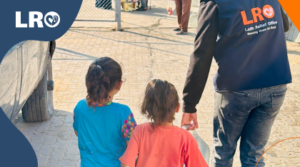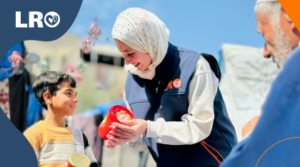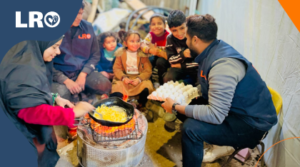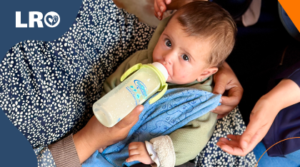
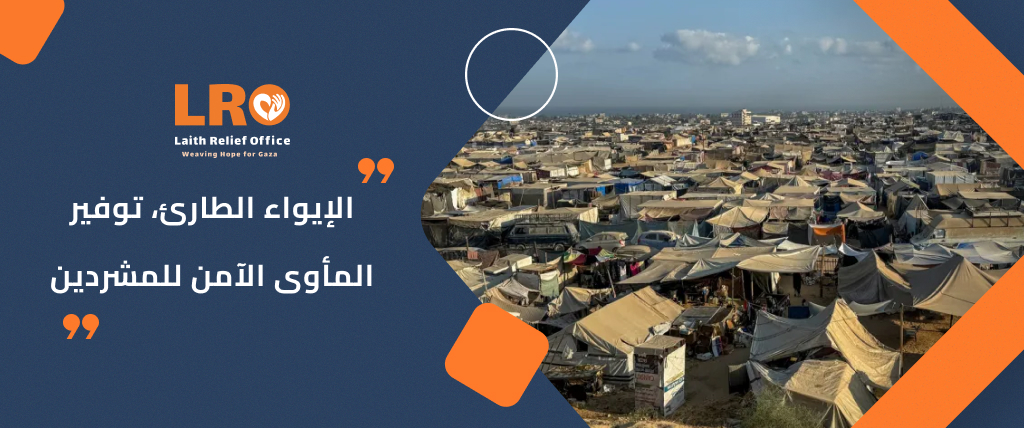
When families are forced to leave their homes under the weight of bombardment and death, and the warmth is torn away from the walls of childhood, housing is no longer a luxury, but a postponed dream. Shelter becomes a lifeline, not an option. In Gaza, schools have turned into shelters, and tents into places of refuge that neither protect from the cold nor shield people from bombardment.
What Is Emergency Shelter and Why Is It Important?
Emergency shelter is a safe and temporary place for people who have been forcibly displaced from their homes due to overwhelming circumstances such as wars and disasters. It may take the form of a tent, a room inside a school, or a simple shelter that gathers those who have lost everything in one place and provides them with a small measure of safety until a permanent solution is found.
Emergency shelter is one of the most important forms of rapid humanitarian response. It provides safe housing for people displaced from their homes and helps ease the shelter crisis, which worsens significantly during mass displacement in times of war, as is currently happening in the Gaza Strip.
Schools, hospitals, and shelter centers have become an urgent necessity for displaced people who are forced to leave their homes under heavy bombardment and intense fire. Humanitarian organizations play a central and essential role in providing basic shelter services such as water, food, and medicine as part of emergency relief efforts.
Types of Emergency Shelter
For nearly two years, the Gaza Strip has been living through a war of unmatched cruelty. Many homes have turned into piles of rubble, leaving thousands of families without shelter, sleeping on the ground under the open sky. In the face of this painful reality, emergency shelter has become an urgent need that cannot be ignored, in order to provide safe housing for those displaced by the flames of war.
Emergency shelter comes in various forms. It includes temporary shelters where residents flee immediately, such as schools, hospitals, or public buildings located within areas considered relatively safe. It also includes shelter camps set up in different areas across the Strip to serve as a refuge for those with no place to go, as well as collective shelter centers such as football fields that host many displaced families and provide them with the minimum level of protection.
These shelter places are no more than quick solutions imposed by harsh circumstances, yet they remain necessary amid the worsening shelter crisis. Despite the efforts to provide shelter, these experiences are not free of challenges, including overcrowding, lack of privacy, and the near absence of basic living conditions.
The Groups Most in Need of Emergency Shelter Centers
As the war on Gaza continues, the need for emergency shelter centers has become more urgent than ever. The flames of war have left no stone unturned and have spared no place, forcing residents to leave under bombardment and search for a safe corner that protects them from fear and, at times, from the cold.
Groups such as the homeless, victims of disasters and wars, and refugees are among those most in need of safe shelter. Streets, temporary shelters, and even cemeteries have become part of the daily living reality in Gaza.
Meanwhile, humanitarian organizations are making great efforts to provide shelter services as part of emergency relief efforts, within the limited capacity available to them, amid a tightened blockade imposed on the Gaza Strip and the closure of all crossings to relief aid.
Challenges Facing the Provision of Emergency Shelter
Providing emergency shelter centers in Gaza after two years of ongoing war is not easy. The reality is far more difficult than it appears in photos and news reports. Every attempt to establish shelter places faces a series of challenges, as the fire of war extends even to areas considered within safe zones.
Among the most prominent shelter challenges in Gaza is that the number of displaced people exceeds the capacity of available facilities in schools and hospitals. These facilities have become overcrowded and lack privacy, as well as the most basic elements of hygiene and comfort. In addition, they have become vulnerable to repeated targeting, yet they may remain the only option for thousands of families who have nowhere else to go.
On the other hand, humanitarian organizations trying to provide shelter services face shortages of materials, difficulty in movement, and sometimes the direct threat of bombardment itself. In such conditions, speaking about providing safe shelter can seem almost like a luxury.
The Role of Humanitarian Organizations in Providing Emergency Shelter
The role of humanitarian organizations during the war on Gaza has become clearly visible in confronting the shelter crisis in the Gaza Strip, especially with the increasing number of displaced families who have lost their homes.
Immediate action has become an urgent necessity to provide emergency shelter centers, even with the simplest resources. Despite the obstacles, these organizations continue their persistent efforts to establish shelter camps in different locations such as universities, schools, hospitals, and even roadsides, so they can serve as places of refuge that provide a minimum level of safety and protection.
They also provide basic shelter services such as water, food supplies, and blankets.
However, this relief role is not without difficulties. The shelter challenges in Gaza under bombardment are not limited to a lack of resources or weak infrastructure. They also include direct and brutal targeting, as well as the difficulty or impossibility of aid access due to the closure of crossings.
Despite this, humanitarian organizations continue to carry out their role as much as they can, until safer and more stable solutions can be provided for those still clinging to life.
Standards of Safe and Healthy Shelter
As the shelter crisis in Gaza continues, humanitarian organizations seek to provide all types of support to displaced people through every available means, helping them adapt to a part of their lives that has been torn apart by bombardment and death.
Safe shelter is not limited to providing a roof that protects from rain and heat. Even this basic need has become unavailable in Gaza, where tents have become an imposed reality in every season.
Under these conditions, and despite limited resources, humanitarian organizations try to follow shelter standards that ensure the minimum level of safety and comfort. These include providing basic services such as safe drinking water, food, medicine, and sanitation facilities, in order to reduce health risks caused by overcrowding and the spread of disease under such conditions.
How Can You Contribute to Supporting Emergency Shelter Efforts?
Amid the ongoing tragic conditions faced by Gaza’s population as a result of the war of genocide, every individual can contribute to supporting shelter efforts in multiple ways.
This can be done by donating money or basic supplies such as clothes, blankets, and food items, which can help improve living conditions in shelter camps.
Another way to contribute is by raising awareness about the shelter crisis, shedding light on it, and highlighting the suffering of displaced people inside these centers, which lack the basic requirements of a dignified life and cannot be seen as permanent places of residence.
People can also volunteer with humanitarian organizations that distribute relief aid or provide logistical support to affected areas, helping reduce the obstacles faced by shelter centers due to the lack of resources.
Conclusion
In conclusion, it is clear that emergency shelter is not merely a basic need for displaced people in Gaza; it is a human right and a humanitarian duty that cannot be ignored.
Despite the major challenges facing humanitarian organizations in providing safe shelter amid bombardment and destruction, efforts continue to ease the suffering of the displaced and provide them with protection.
What Is Emergency Shelter and Why Is It Important?
Emergency shelter is a safe and temporary place for people who have been forcibly displaced from their homes due to overwhelming circumstances such as wars and disasters. It may take the form of a tent, a room inside a school, or a simple shelter that gathers those who have lost everything in one place and provides them with a small measure of safety until a permanent solution is found.
Emergency shelter is one of the most important forms of rapid humanitarian response. It provides safe housing for people displaced from their homes and helps ease the shelter crisis, which worsens significantly during mass displacement in times of war, as is currently happening in the Gaza Strip.
Schools, hospitals, and shelter centers have become an urgent necessity for displaced people who are forced to leave their homes under heavy bombardment and intense fire. Humanitarian organizations play a central and essential role in providing basic shelter services such as water, food, and medicine as part of emergency relief efforts.
Types of Emergency Shelter
For nearly two years, the Gaza Strip has been living through a war of unmatched cruelty. Many homes have turned into piles of rubble, leaving thousands of families without shelter, sleeping on the ground under the open sky. In the face of this painful reality, emergency shelter has become an urgent need that cannot be ignored, in order to provide safe housing for those displaced by the flames of war.
Emergency shelter comes in various forms. It includes temporary shelters where residents flee immediately, such as schools, hospitals, or public buildings located within areas considered relatively safe. It also includes shelter camps set up in different areas across the Strip to serve as a refuge for those with no place to go, as well as collective shelter centers such as football fields that host many displaced families and provide them with the minimum level of protection.
These shelter places are no more than quick solutions imposed by harsh circumstances, yet they remain necessary amid the worsening shelter crisis. Despite the efforts to provide shelter, these experiences are not free of challenges, including overcrowding, lack of privacy, and the near absence of basic living conditions.
The Groups Most in Need of Emergency Shelter Centers
As the war on Gaza continues, the need for emergency shelter centers has become more urgent than ever. The flames of war have left no stone unturned and have spared no place, forcing residents to leave under bombardment and search for a safe corner that protects them from fear and, at times, from the cold.
Groups such as the homeless, victims of disasters and wars, and refugees are among those most in need of safe shelter. Streets, temporary shelters, and even cemeteries have become part of the daily living reality in Gaza.
Meanwhile, humanitarian organizations are making great efforts to provide shelter services as part of emergency relief efforts, within the limited capacity available to them, amid a tightened blockade imposed on the Gaza Strip and the closure of all crossings to relief aid.
Challenges Facing the Provision of Emergency Shelter
Providing emergency shelter centers in Gaza after two years of ongoing war is not easy. The reality is far more difficult than it appears in photos and news reports. Every attempt to establish shelter places faces a series of challenges, as the fire of war extends even to areas considered within safe zones.
Among the most prominent shelter challenges in Gaza is that the number of displaced people exceeds the capacity of available facilities in schools and hospitals. These facilities have become overcrowded and lack privacy, as well as the most basic elements of hygiene and comfort. In addition, they have become vulnerable to repeated targeting, yet they may remain the only option for thousands of families who have nowhere else to go.
On the other hand, humanitarian organizations trying to provide shelter services face shortages of materials, difficulty in movement, and sometimes the direct threat of bombardment itself. In such conditions, speaking about providing safe shelter can seem almost like a luxury.
The Role of Humanitarian Organizations in Providing Emergency Shelter
The role of humanitarian organizations during the war on Gaza has become clearly visible in confronting the shelter crisis in the Gaza Strip, especially with the increasing number of displaced families who have lost their homes.
Immediate action has become an urgent necessity to provide emergency shelter centers, even with the simplest resources. Despite the obstacles, these organizations continue their persistent efforts to establish shelter camps in different locations such as universities, schools, hospitals, and even roadsides, so they can serve as places of refuge that provide a minimum level of safety and protection.
They also provide basic shelter services such as water, food supplies, and blankets.
However, this relief role is not without difficulties. The shelter challenges in Gaza under bombardment are not limited to a lack of resources or weak infrastructure. They also include direct and brutal targeting, as well as the difficulty or impossibility of aid access due to the closure of crossings.
Despite this, humanitarian organizations continue to carry out their role as much as they can, until safer and more stable solutions can be provided for those still clinging to life.
Standards of Safe and Healthy Shelter
As the shelter crisis in Gaza continues, humanitarian organizations seek to provide all types of support to displaced people through every available means, helping them adapt to a part of their lives that has been torn apart by bombardment and death.
Safe shelter is not limited to providing a roof that protects from rain and heat. Even this basic need has become unavailable in Gaza, where tents have become an imposed reality in every season.
Under these conditions, and despite limited resources, humanitarian organizations try to follow shelter standards that ensure the minimum level of safety and comfort. These include providing basic services such as safe drinking water, food, medicine, and sanitation facilities, in order to reduce health risks caused by overcrowding and the spread of disease under such conditions.
How Can You Contribute to Supporting Emergency Shelter Efforts?
Amid the ongoing tragic conditions faced by Gaza’s population as a result of the war of genocide, every individual can contribute to supporting shelter efforts in multiple ways.
This can be done by donating money or basic supplies such as clothes, blankets, and food items, which can help improve living conditions in shelter camps.
Another way to contribute is by raising awareness about the shelter crisis, shedding light on it, and highlighting the suffering of displaced people inside these centers, which lack the basic requirements of a dignified life and cannot be seen as permanent places of residence.
People can also volunteer with humanitarian organizations that distribute relief aid or provide logistical support to affected areas, helping reduce the obstacles faced by shelter centers due to the lack of resources.
Conclusion
In conclusion, it is clear that emergency shelter is not merely a basic need for displaced people in Gaza; it is a human right and a humanitarian duty that cannot be ignored.
Despite the major challenges facing humanitarian organizations in providing safe shelter amid bombardment and destruction, efforts continue to ease the suffering of the displaced and provide them with protection.